

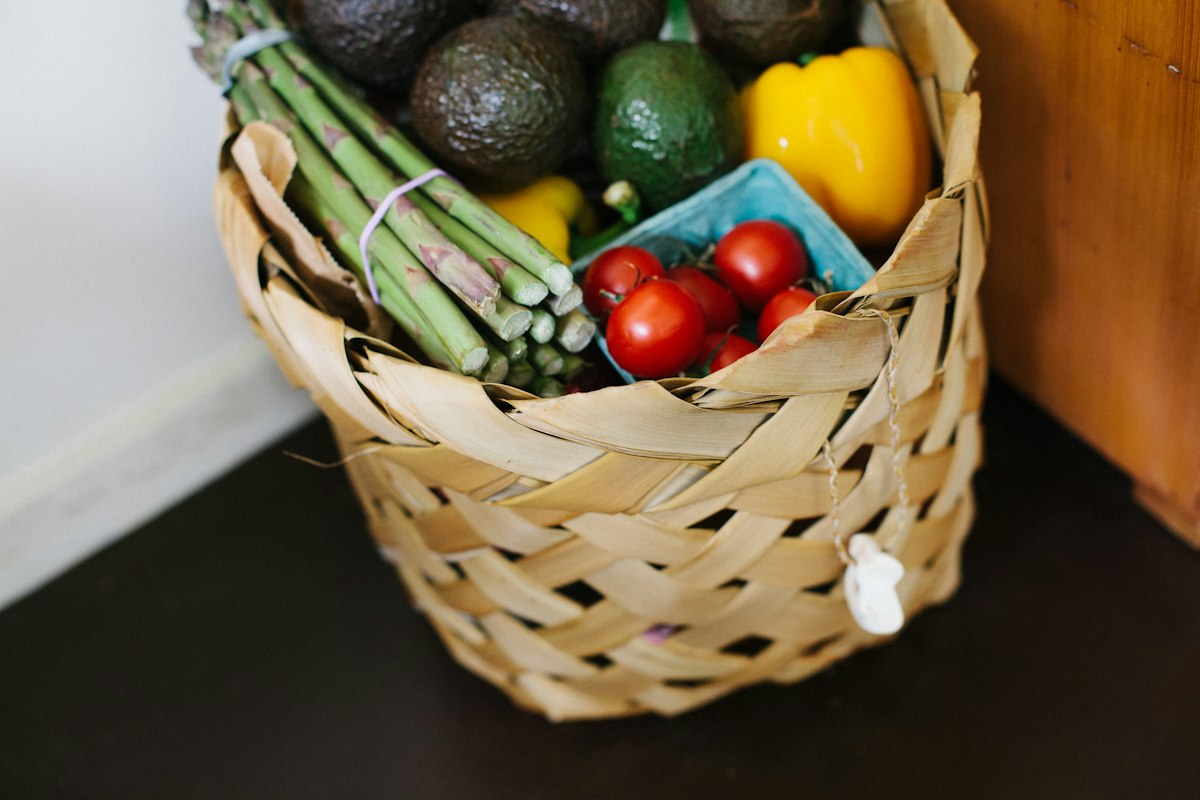
Grocery bills have climbed for most households over the past few years.
When money gets tight, food is often the first thing people cut back on. The trolley fills with cheap snacks and the fresh produce gets left on the shelf.
It doesn’t have to go that way. Healthy food can be cheap food, as long as you plan a little and know where the value sits. Perth practice New Leaf Dietetics, a team of Accredited Practising Dietitians and nutritionists in Applecross, puts it simply on its website: healthy eating doesn’t need to be boring or expensive.
This guide covers the habits that make the biggest difference to your food spend without cutting back on nutrition.
Start with the basics of a healthy plate
Before you can shop cheaply, it helps to know what you are shopping for.
The Australian Dietary Guidelines, published on the government’s Eat for Health website, group everyday foods into five groups. They are vegetables and legumes, fruit, grain foods (mostly wholegrain), lean meats and alternatives such as eggs, tofu, nuts and legumes, and dairy foods or their alternatives.
Most of what you need sits inside those five groups. Chips, soft drinks, biscuits and takeaway sit outside them, and they also happen to be where a lot of grocery money disappears.
Cutting back on those extras is often the fastest way to free up money for real food.
Plan the week before you shop
A plan is the cheapest kitchen tool you will ever own.
Sit down for ten minutes before you shop. Write down what you will eat for dinner on most nights, then check what is already in the fridge, freezer and pantry.
Build the list from that plan. Shopping without one tends to mean impulse buys, doubled-up items and food that goes off before you get to it.
A few planning habits that help:
- Pick two or three meals that make leftovers for lunch the next day.
- Choose recipes that share ingredients, so half a cabbage or a bunch of herbs gets used up.
- Keep one “use it up” night each week for whatever is left in the crisper.
- Eat before you shop, because hungry shopping costs more.
Know where the value sits in the shop
Some foods give you a lot of nutrition for very little money. Learning which ones they are changes the way you shop.
Legumes are the standout. Dried lentils, chickpeas and beans cost very little per serve and give you protein and fibre. Tinned versions cost a bit more but still work out cheap, and they save soaking time.
Frozen vegetables are another good buy. They are usually picked and frozen soon after harvest, and you only cook what you need, so less ends up in the bin.
Eggs, oats, brown rice, wholemeal pasta, tinned fish and plain yoghurt in large tubs are also good value. Buying store brands for these staples rarely means a drop in quality.
Fresh fruit and vegetables are cheapest when they are in season. If something seems expensive this week, swap it for whatever is plentiful. Local markets near closing time can also have good deals.
Stretch the more expensive foods
Meat is often the biggest item on the grocery receipt. You don’t have to remove it, but you can make it go further.
Mix lentils or grated vegetables through mince for bolognese, tacos or rissoles. Add a tin of beans to a curry or stew. Chicken thighs and whole chickens usually cost less per kilo than breast fillets, and a roast chicken can cover a dinner, lunches and a pot of soup.
Having one or two meat-free dinners a week also saves money. A vegetable frittata, a bean chilli or a lentil soup can all be made for a few dollars.
Cut food waste at home
A lot of household food ends up in the bin. Every item thrown out is money you have already spent.
A few small changes help a lot:
- Store food properly, with older items moved to the front of the fridge.
- Freeze bread, leftover rice and ripe bananas before they go off.
- Cook once and freeze portions for nights when you are tired.
- Learn the difference between “use by” and “best before” dates.
Leftovers are a good test of how well the week is going. If they are being eaten, the planning is working.
Cook simple meals more often
Takeaway and ready meals are convenient, and they are fine sometimes. They are also one of the main reasons food budgets blow out.
Simple home cooking doesn’t need to take long. A tray bake of vegetables and chicken, a stir-fry with frozen veg and rice, or eggs on wholegrain toast with tomato can all be on the table in under 30 minutes.
Batch cooking on the weekend helps busy households. A big pot of soup or a tray of baked oats can cover several meals during the week.
Feeding a family on less
Families face extra pressure because each extra mouth adds to the bill.
Getting the household involved can help. Older children can help write the shopping list, choose a vegetable for the week or help cook one meal. When people help make a meal, they tend to be keener to eat it.
Keep snacks simple and cheap. Fruit, plain popcorn made at home, yoghurt, cheese and crackers and leftover pasta are all better value than packaged snack bars.
Water from the tap is the cheapest drink there is. Cutting back on juice and soft drink saves money every week.
When it helps to get some advice
Budget eating gets harder when someone in the house has a health condition or special dietary needs. Diabetes, high cholesterol, food allergies or intolerances, pregnancy and low appetite in older adults can all change what a good meal looks like.
In those cases, general tips only go so far. A dietitian can look at what you already eat, what you can afford and what your health needs are, then help you build a plan that fits.
If you are thinking about seeing someone, check what support you may be eligible for. Depending on your situation, rebates may be available through Medicare with a GP care plan, through private health insurance, through the NDIS or through DVA. Your GP or your health fund can tell you what applies to you.
A simple place to start this week
You don’t need to change everything at once. Pick one or two habits and build from there.
Write a short meal plan before your next shop. Buy one bag of lentils or a few tins of beans and try them in a meal you already cook. Check the freezer section for vegetables you like.
Small changes add up over a month. Your food dollar can go further, and your meals can still be good for you and good to eat.