

Most of us know we need iron, and then we don’t give it another thought. It helps your body make red blood cells, and it’s part of haemoglobin, which carries oxygen from your lungs around the rest of your body. Your body can’t make iron itself, so it all has to come from what you eat.
Plenty of everyday foods have iron in them. What helps is knowing which ones, and how to get your body to absorb more of it, and often that just comes down to what you put together on the plate.
Meat, plants and the difference between them
Iron in food comes in two forms. Haem iron is in animal foods and your body absorbs it easily. Non haem iron comes from plant foods, and it’s harder for the body to absorb. Most people eat a mix of the two without thinking about it. So meat, poultry and seafood give you the easy to absorb kind, and legumes, greens and grains give you the other kind, which vitamin C can help with.
Dietitians Australia notes that most of the iron in the Australian diet comes from plant foods, and that’s true even for people who eat meat. So the plant side of your plate matters more than you might expect, and it pays to know how to get the most out of it.
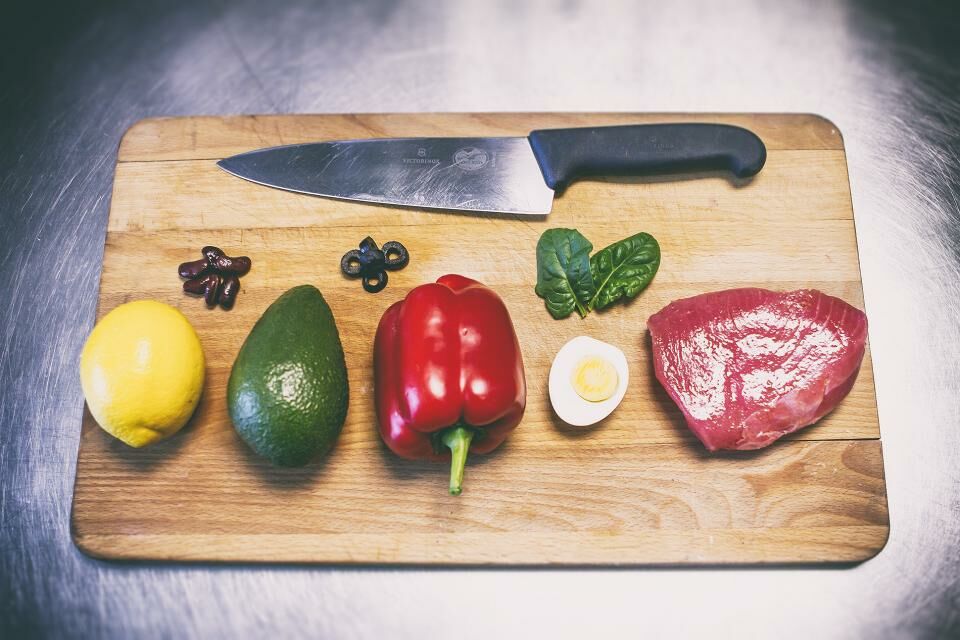
On the animal side, good sources are beef, lamb, pork and kangaroo. Chicken, turkey and seafood like salmon, sardines and tuna have iron too, and so do organ meats like liver and kidney. As a rough rule, the darker red the meat or fish, the more iron it has.
Lean meat and veg is an easy meal that covers a lot. Grilling outside is a simple way to cook it, and having an outdoor cooking space makes that part of normal family dinners. But don’t go overboard. Dietitians Australia says a diet high in haem iron can raise the risk of heart disease and bowel cancer, and it suggests eating a higher proportion of plant foods than animal foods.
Plant sources are everywhere at the supermarket. Legumes like lentils, chickpeas and beans. Tofu, tempeh, nuts, seeds and dried fruit such as apricots. Dark leafy greens like spinach and silver beet. Grains count as well, so oats, quinoa, amaranth and wholemeal pasta and bread all have iron, and breakfast cereals and breads fortified with iron are handy too. A handful of nuts or seeds is an easy snack, and our list of vegan snacks has more ideas like that.
Getting more out of each meal
What you eat with the iron matters about as much as the iron. Vitamin C helps your body absorb more iron from food, and you’ll find it in citrus fruit, berries, kiwi fruit, melon, tomatoes and capsicum, plus green leafy vegetables.
Healthdirect suggests pairing iron containing plant foods with something high in vitamin C, like having orange juice with a meal. A squeeze of lemon over a lentil salad does the same thing. Many of the best juicing ingredients are high in vitamin C as well. And eating meat and vegetables together increases the iron you absorb from the vegetables.
Cooking helps. The Victorian Better Health Channel says cooking generally increases the iron your body can use from vegetables, and broccoli is one example it gives. So lightly cooked greens a few times a week is a good habit.
Then there are things that work against you if you have them at the same time as your meal. The main ones are tea and coffee, red wine, foods high in calcium like milk and cheese, calcium supplements and some soybean based foods. You don’t have to give any of them up. Just have them between meals instead of with them. Tea and coffee in particular can cut down how much iron you absorb when you have them with a meal. Healthdirect suggests having them between meals, so you can keep enjoying them and still get more iron out of your food.
For a lot of people the easy fix is moving the morning coffee or the afternoon cuppa away from mealtimes. That’s easier said than done if it’s something you’ve done every day for years. Our piece on breaking a habit looks at why routines like that are hard to change, and small steady changes usually stick better than big ones.
How much you need
It depends on your age and sex. Healthdirect lists the recommended daily intake for adults aged 19 to 50 as 8 mg for men and 18 mg for women, going up to 27 mg a day during pregnancy. Over 50 it’s 8 mg a day, so after menopause women need the same as men.
Kids and teens have their own numbers. Children aged 1 to 3 need 9 mg, 4 to 8 year olds need 10 mg and 9 to 13 year olds need 8 mg. Teenage boys need 11 mg and teenage girls need 15 mg. If you’re buying food for teenagers, it’s worth looking at those numbers properly. The full table is on the healthdirect foods high in iron page.
If you don’t eat meat, plenty of people still get enough iron, but you’ll need more than those figures suggest, because plant iron is harder to absorb. Healthdirect says you’ll need to eat about 80 per cent more iron to cover your needs. That sounds like a lot, but it’s doable with a bit of planning around legumes, tofu, fortified cereals, nuts, seeds and leafy greens. Dietitians Australia says vegetarians who eat a balanced, healthy diet usually aren’t at greater risk of low iron. Mix it up, have vitamin C with your meals and keep the tea and coffee away from mealtimes. If you’re not sure, an Accredited Practising Dietitian can help you plan meals.
If you think you’re low
Low iron can make you tired, weak and listless. Some people get short of breath, dizzy or pale, and some find it hard to concentrate or get irritable. But other conditions can cause the same things, so none of those on their own mean your iron is low. Try not to guess.
Some people are more likely to run low. Teenagers, women who have periods and people who are pregnant or breastfeeding, plus people with coeliac disease or inflammatory bowel disease. The only reliable way to know is a blood test called iron studies, which your doctor can arrange and then explain the results to you.
So if you’re worried, see your doctor, who can work out what’s causing it and what to do. Don’t start iron supplements without talking to your doctor or a dietitian first, because taking more than the recommended dose can cause iron poisoning. It really isn’t something to take just in case.
Too much iron is its own problem. Haemochromatosis is a condition where the body stores too much iron, and if you have it your doctor will help you manage your levels. The Dietitians Australia guidance on dietary iron also recommends talking to a professional before taking supplements.
This article is general information only and isn’t medical advice. Talk to your doctor or a qualified health professional about your own iron needs.