

Iron is one of those nutrients most people know they need but rarely think about. It helps your body make red blood cells. It also forms part of haemoglobin, which carries oxygen from your lungs to the rest of your body. Your body cannot make iron on its own, so it has to come from what you eat.
The good news is that plenty of everyday foods contain iron. The trick is knowing which ones and how to help your body absorb it. Small changes to how you combine foods at a meal can make a real difference. This guide covers the basics in plain terms.
Two types of iron in food
Iron in food comes in two forms. Haem iron is found in animal foods and is easily absorbed by the body. Non haem iron comes from plant foods and is harder for the body to absorb. Most people eat a mix of both without realising it.
Dietitians Australia notes that most of the iron in the Australian diet comes from plant foods. That holds true even for people who eat meat. So the plant side of your plate matters more than many people think. It is worth learning how to get the most from it.
Animal foods that contain iron
Good animal sources include beef, lamb, pork and kangaroo. Chicken, turkey and seafood such as salmon, sardines and tuna also contain iron. Organ meats like liver and kidney are another source. As a general rule, the darker the red colour of the meat or fish, the higher its iron level.
A simple meal of lean meat and vegetables covers a lot of ground. Grilling outside is an easy way to cook these foods, and an outdoor cooking space makes it part of normal family meals. Dietitians Australia says a diet high in haem iron can raise the risk of heart disease and bowel cancer. It suggests eating a higher proportion of plant foods than animal foods.
Plant foods that contain iron
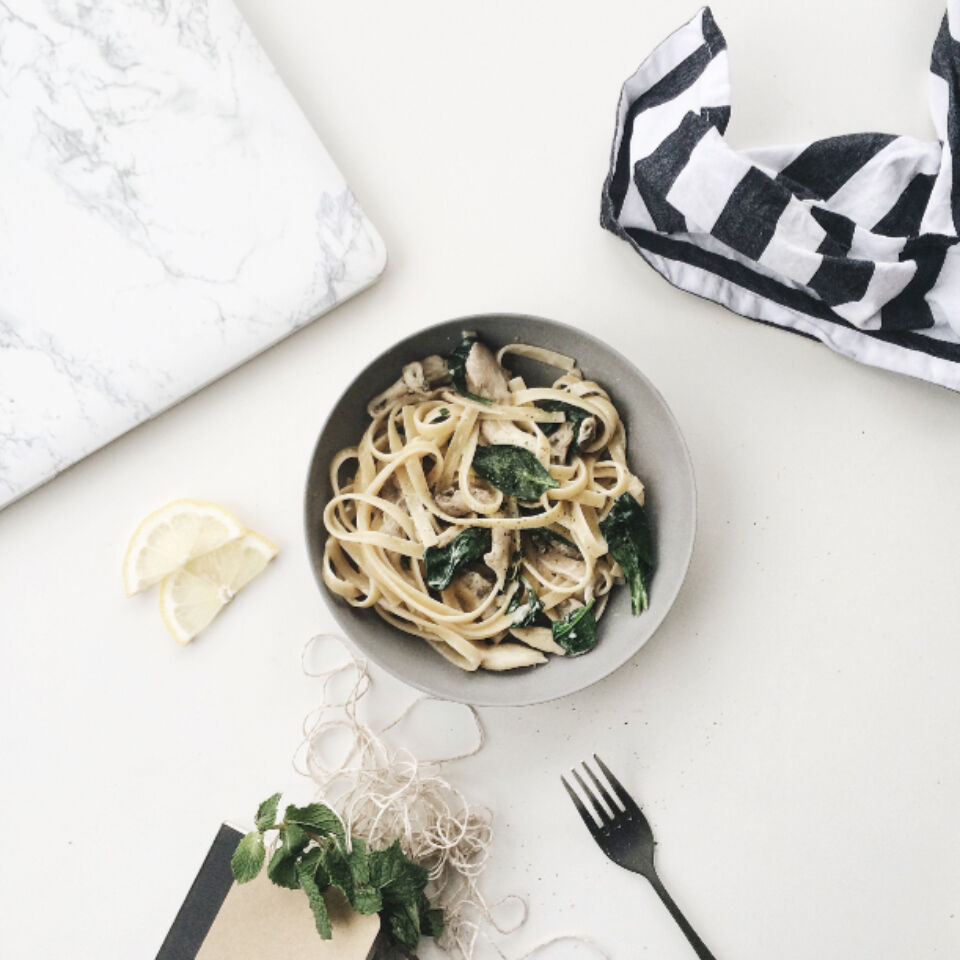
Plant sources are wide and easy to find at the supermarket. They include legumes such as lentils, chickpeas and beans. Tofu, tempeh, nuts, seeds and dried fruit like apricots are also good options. Dark leafy greens such as spinach and silver beet add iron too.
Grains count as well. Oats, quinoa, amaranth and wholemeal pasta and bread all contain iron. Breakfast cereals and breads fortified with iron are another useful source. A handful of nuts or seeds makes an easy snack, and our list of vegan snacks has more ideas along these lines.
How to absorb more iron from your meals
What you eat alongside iron matters as much as the iron itself. Vitamin C helps your body absorb more iron from food. Good sources include citrus fruit, berries, kiwi fruit, melon, tomatoes and capsicum. Green leafy vegetables also contain vitamin C.
Healthdirect suggests pairing plant foods that contain iron with foods rich in vitamin C, such as orange juice with a meal. A squeeze of lemon over a lentil salad works the same way. Fresh produce is easy to add, and many of the best juicing ingredients are high in vitamin C. Eating meat and vegetables together also increases the iron you absorb from the vegetables.
Cooking can help too. The Victorian Better Health Channel notes that cooking generally increases the iron your body can use from vegetables. Broccoli is one example it gives. Lightly cooked greens are a simple habit to build into the week.
Foods and drinks that reduce iron absorption
Some foods and drinks make it harder to absorb iron when you have them at the same time. The main ones are listed below. You do not need to cut them out. It is simply better to have them between meals rather than with them.
- Tea and coffee
- Red wine
- Foods rich in calcium, such as milk and cheese
- Calcium supplements
- Some foods based on soybeans
For many people the easiest change is moving the morning coffee or afternoon tea away from meals. That can take a little effort if it is a long standing routine. Our piece on breaking a habit looks at why routines like this are hard to change. Small, steady changes tend to stick better than big ones.
How much iron do you need each day?
The amount of iron you need depends on your age and sex. Healthdirect lists the recommended daily intake for adults aged 19 to 50 as 8 mg for men and 18 mg for women. During pregnancy the figure rises to 27 mg a day. After 50, adults need 8 mg a day, so after menopause women need the same as men.
Children and teens have their own figures. Children aged 1 to 3 need 9 mg, those aged 4 to 8 need 10 mg and those aged 9 to 13 need 8 mg. Teenage boys need 11 mg and teenage girls need 15 mg. You can see the full table on the healthdirect foods high in iron page.
Iron on a vegetarian or plant based diet
Because plant iron is harder to absorb, people on a plant based diet need more of it. Healthdirect says you will need to eat about 80 per cent more iron to meet your needs. That sounds like a lot, but careful food choices make it achievable. Legumes, tofu, fortified cereals, nuts, seeds and leafy greens all help.
Dietitians Australia says vegetarians who eat a balanced, healthy diet usually are not at greater risk of low iron. The key is variety and smart pairing with vitamin C. Keeping tea and coffee away from meals helps as well. An Accredited Practising Dietitian can help you plan meals if you are unsure.
Signs your iron may be low
Low iron can cause tiredness, weakness and feeling listless. Some people notice shortness of breath, dizziness or pale skin. Trouble concentrating and irritability can also occur. Other conditions can cause these symptoms too, so they are not a sign of low iron on their own.
Some groups are more likely to run low. These include teenagers, women who have periods and people who are pregnant or breastfeeding. People with coeliac disease or inflammatory bowel disease can also be at higher risk. A blood test called iron studies is the only reliable way to confirm low iron.
Supplements and when to see a doctor
If you think your iron may be low, see your doctor. They can work out the cause and what to do about it. Do not start iron supplements without talking to your doctor or a dietitian first. Taking more than the recommended dose can cause iron poisoning.
Too much iron can be a problem in its own right. Haemochromatosis is a condition where the body stores too much iron. If you have it, your doctor will help you manage your iron levels. Dietitians Australia guidance on dietary iron also recommends speaking with a professional before taking supplements.
Frequently asked questions
What is the difference between haem and non haem iron?
Haem iron comes from animal foods such as meat, poultry and seafood. Your body absorbs it easily. Non haem iron comes from plant foods such as legumes, greens and grains. It is harder to absorb, but vitamin C can help.
Should I stop drinking tea and coffee?
No, you do not need to give them up. Tea and coffee can reduce iron absorption when you have them with a meal. Healthdirect suggests having them between meals instead. This simple change lets you keep enjoying them.
Can I get enough iron without eating meat?
Yes, many people do. You will need to eat more iron than a meat eater because plant iron is harder to absorb. Legumes, tofu, fortified cereals, nuts and leafy greens are good choices. Pair them with vitamin C to absorb more.
How do I know if my iron is low?
Tiredness, weakness and dizziness can be signs, but other conditions cause them too. The only reliable way to check is a blood test. Your doctor can arrange iron studies for you. They can also explain your results.
This article is general information only and is not medical advice. Speak with your doctor or a qualified health professional about your own iron needs.